Editorial home

Freight spends most of its lifewaiting in three places.

A yard, a berth, an aisle. Each one has a queue, a clock, and someone who has to explain the gap between them. This is the long version of the argument the control tower makes in one screen.

Fictional demo · sample data · photographs from Unsplash (see CREDITS.md)

01 The yard

A container yard is a queue with a shape.

Boxes do not move because a truck arrived. They move because a slot, a crane, and a dock door line up in that order. When one of the three slips, the yard does not show an error: it shows a stack that is one row taller than yesterday.

The useful question is not how many boxes are in the yard. It is which boxes have a slot but no crane, and which have a crane but no slot.
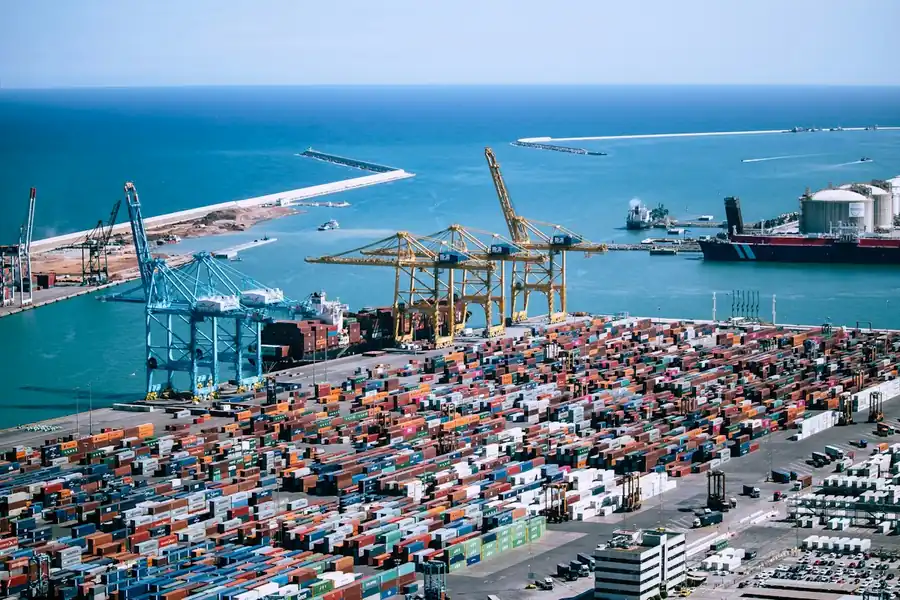
Aerial view of a container terminal with rows of stacked containers, gantry cranes, and a docked ship
Container yard, mid-morning. Counted rows, one queue.

02 The berth

The moment between two legs is the part nobody photographs.

A vessel arrival is a date until it is an event. The difference between the two is a berth window, a pilot, and a gang that is either ready or not. Every one of those is a line in a system that the customer never sees and the invoice always reflects.

Haulpoint keeps both legs on the same timeline as the booking, so a late berth changes the ETA on the shipment page instead of starting a separate conversation.

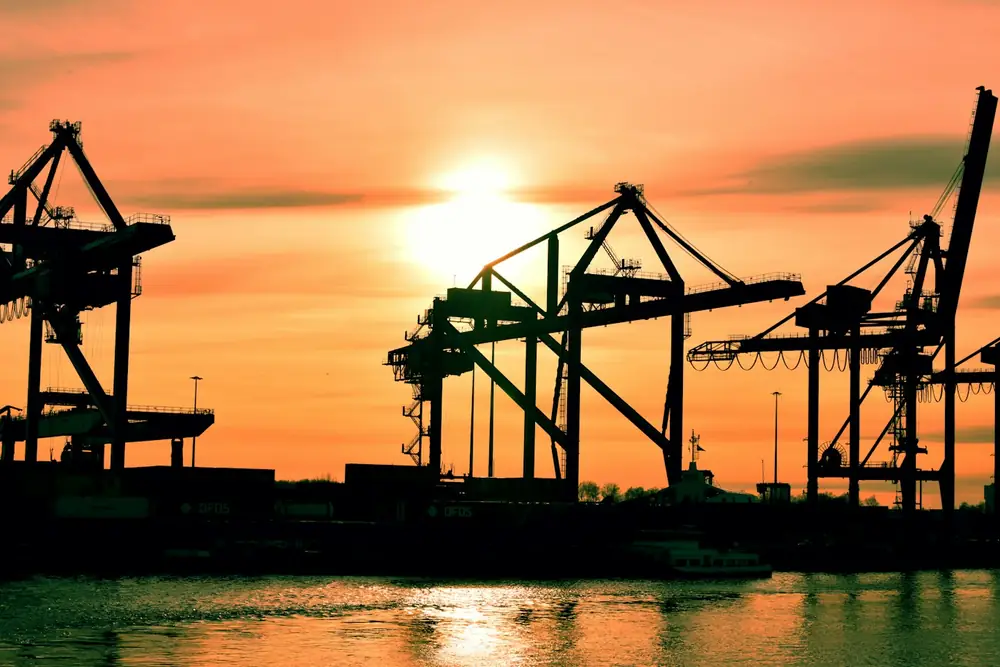
Gantry cranes silhouetted against a sunset sky at a container terminal
Ship-to-shore cranes at last light.

03 The aisle

The last two hundred metres are the expensive ones.

A pallet that reaches the right building and the wrong aisle has not arrived. Warehouse time is measured in touches: put away, pick, stage, load. Each touch is a person, a scanner, and a chance for the paperwork to disagree with the shelf.

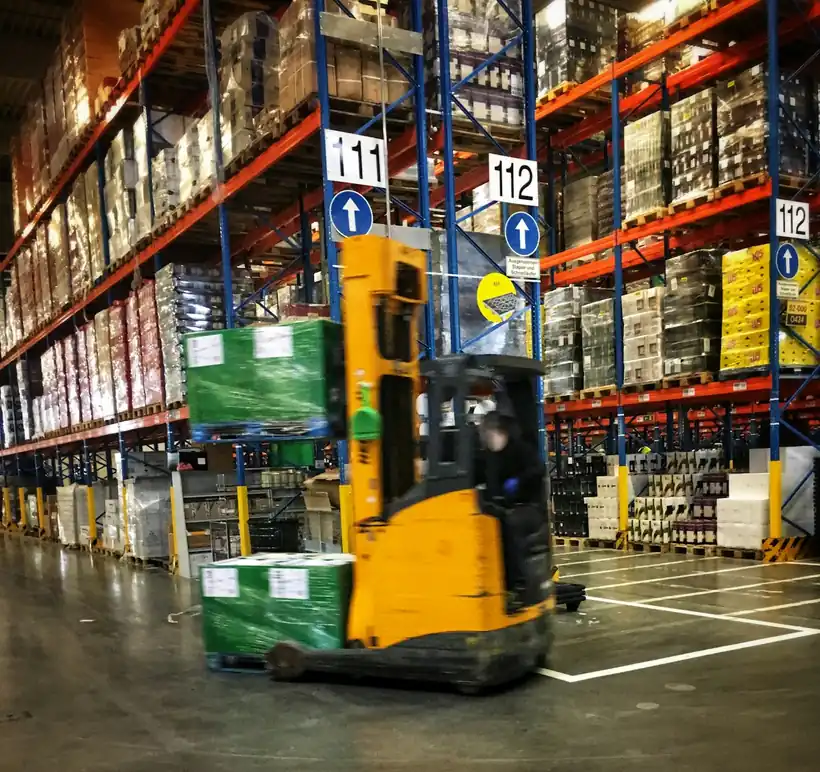
The demo shipment pages carry the same events a warehouse team would recognise: arrival, put away, staged, loaded, departed.

Reach truck carrying a wrapped pallet down a warehouse aisle between tall pallet racks
Put-away, aisle 111. The clock starts again.

Counted from the sample file, not estimated

72 Sample shipments
57 Distinct lanes
293 Timeline events
4 Freight modes

Where the story becomes a tool

The same argument, one screen at a time.

The control tower shows the queue, the exceptions, and the lanes behind these three places. Open a row and the shipment page carries the full timeline.